
Understanding the Basics of TCM: A Comprehensive Guide


Introduction to Traditional Chinese Medicine
Traditional Chinese Medicine (TCM) is an ancient holistic approach to health and wellness that has been practiced for thousands of years. It is based on the principle of balancing the body's energy, known as "Qi," to maintain health and prevent disease. TCM encompasses a wide range of practices, including acupuncture, herbal medicine, and Tai Chi.
The Philosophy Behind TCM
At the core of TCM is the belief that health is a state of balance within the body and with the environment. TCM practitioners focus on the harmony between yin and yang, two opposing forces that influence bodily functions. When these forces are balanced, the body functions optimally. Imbalances can lead to illness and discomfort.
Another fundamental concept is the flow of Qi through the body's meridians or energy pathways. Disruptions in this flow can cause health issues, and TCM treatments aim to restore balance and ensure the smooth movement of Qi.
Yin and Yang
Yin and Yang represent the dual nature of existence. Yin is associated with qualities like cold, rest, and darkness, while Yang is linked to heat, activity, and light. In TCM, achieving a balance between these forces is crucial for maintaining health.
Key Practices in TCM
TCM includes a variety of practices designed to promote health and well-being. Some of the most common include:
- Acupuncture: Involves inserting thin needles into specific points on the body to stimulate energy flow and restore balance.
- Chinese Herbal Medicine: Utilizes a vast array of natural herbs and plant extracts to address health issues.
- Tai Chi and Qigong: Mind-body exercises that combine movement, meditation, and breathing to enhance Qi flow.

Acupuncture
Acupuncture is perhaps the most well-known aspect of TCM. It is used to treat various conditions, from pain relief to stress reduction. By targeting specific acupuncture points, practitioners aim to release blocked energy and alleviate symptoms.
Chinese Herbal Medicine
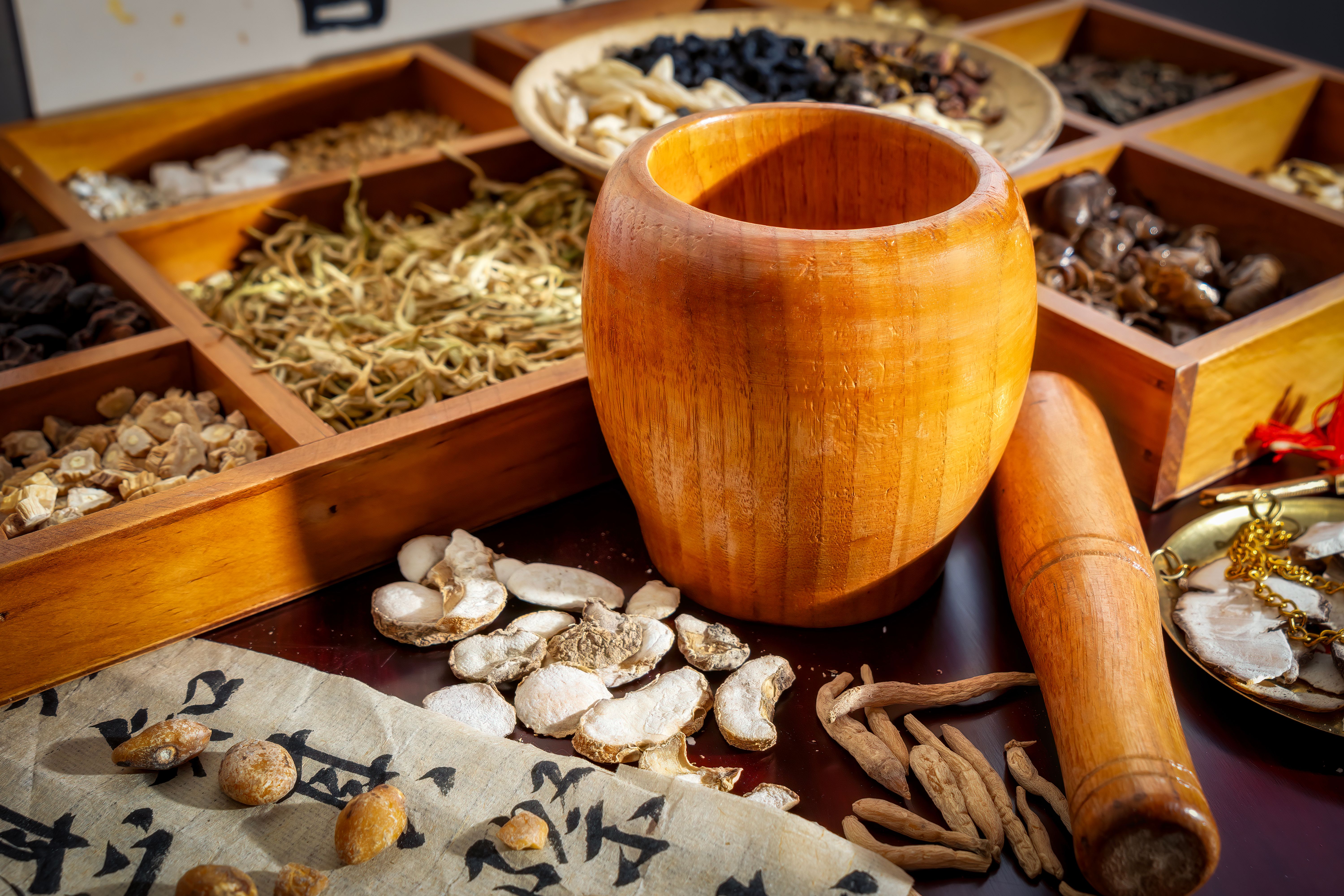
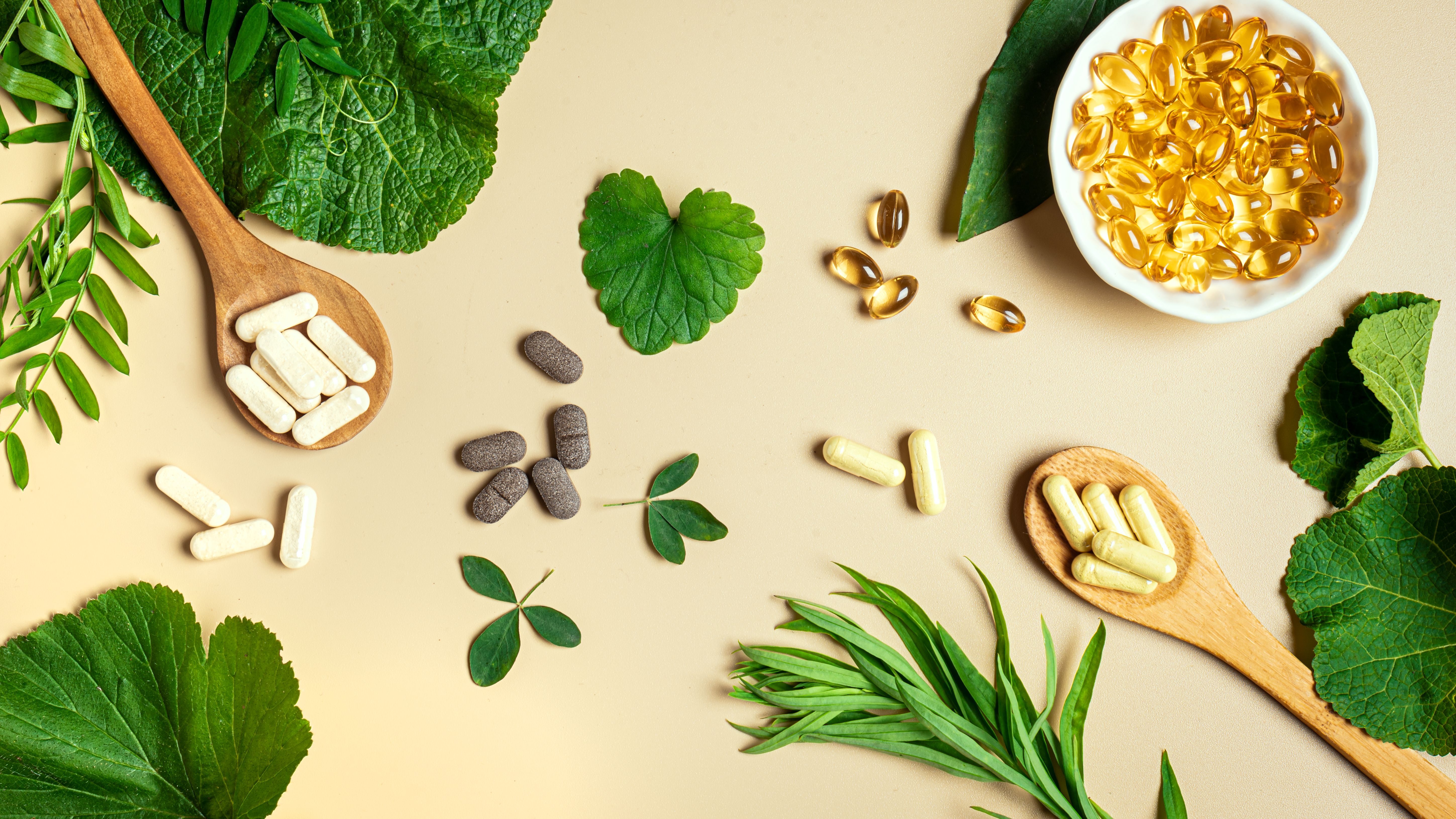
Herbal medicine is a cornerstone of TCM. Practitioners create personalized herbal formulas tailored to an individual's needs. These formulas can include ingredients like ginseng, ginger, and licorice, each with unique properties to address specific health concerns.
The efficacy and safety of Chinese herbal medicine have been studied extensively, offering a natural alternative to conventional treatments.
Tai Chi and Qigong
These practices are gentle exercises that focus on slow, deliberate movements, making them accessible to people of all ages. Tai Chi and Qigong help improve flexibility, balance, and mental clarity, contributing to overall health and wellness.
The Modern Role of TCM
In today's world, TCM is increasingly recognized as a complementary approach to modern medicine. Many people turn to TCM for its holistic perspective and natural methods, often integrating it with conventional treatments for a more comprehensive approach to health care.
As interest in natural and holistic health continues to grow, TCM remains a valuable resource for those seeking alternative paths to wellness.