
The Role of Nutrition in Traditional Chinese Medicine


Introduction to Traditional Chinese Medicine
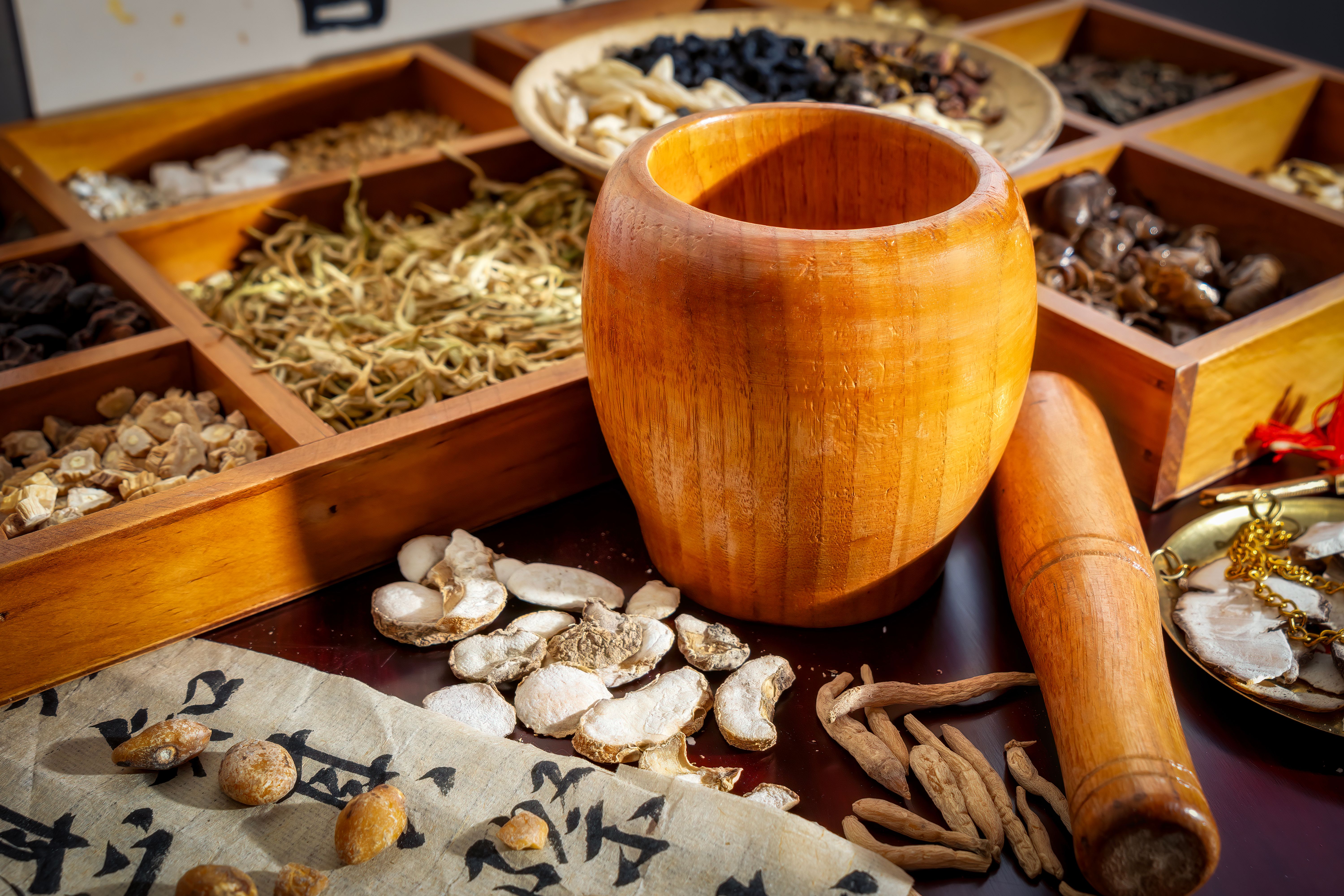
Traditional Chinese Medicine (TCM) is an ancient system of health and wellness that has been practiced for thousands of years. It is based on the concept of balancing the body's energy, or Qi, and maintaining harmony between the body's systems. Nutrition plays a crucial role in TCM as it is believed that food can influence the flow of Qi and contribute to overall well-being.
In TCM, food is not merely a source of calories but a vital component that can help restore balance and promote healing. Practitioners focus on the energetic properties of food and how they can affect the body's internal balance.
Yin and Yang in Nutrition
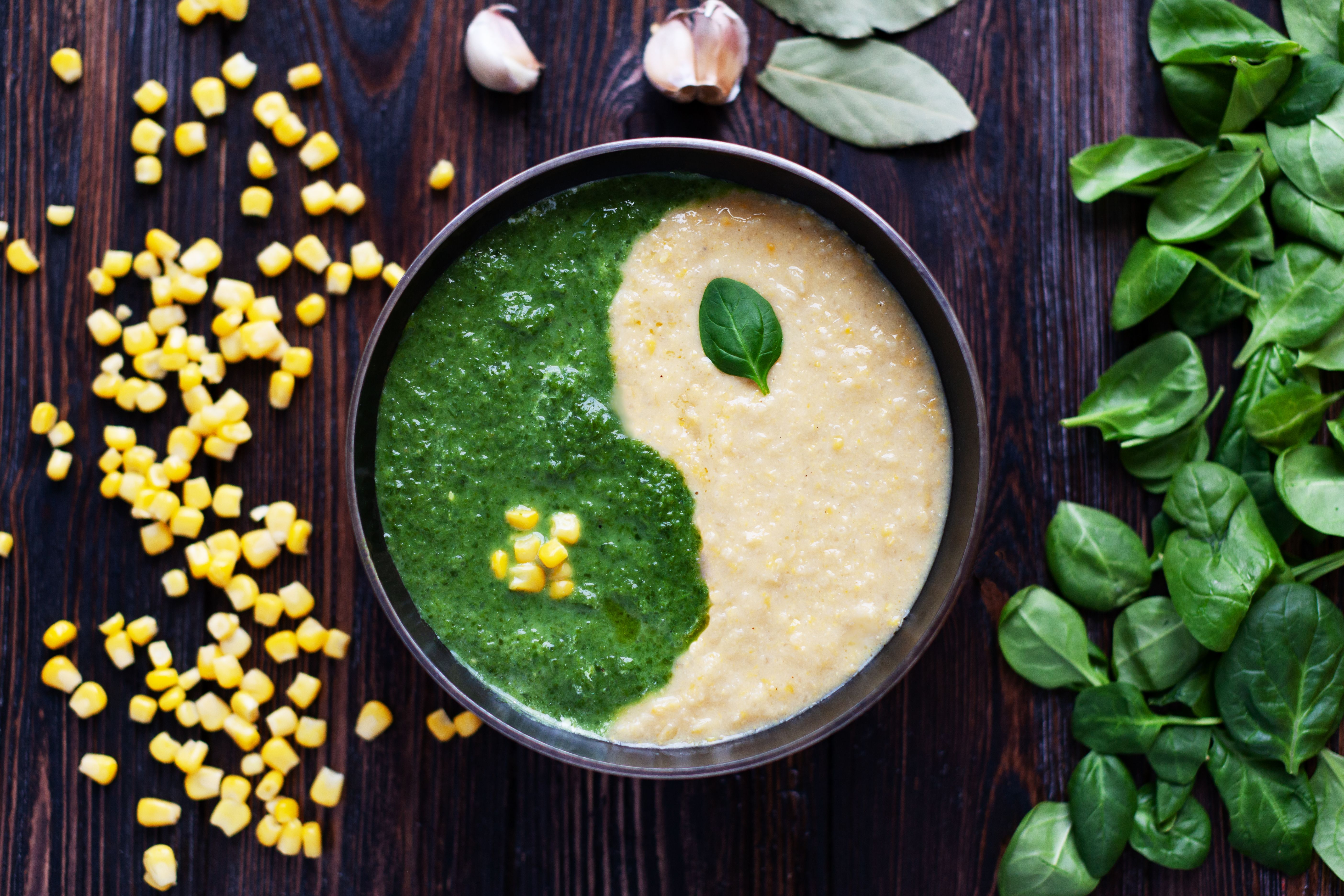
One of the core principles of TCM is the balance of Yin and Yang. These are two opposing but complementary forces that influence health and wellness. Foods are categorized based on their Yin or Yang qualities, and maintaining a balance between these is essential for optimal health.
Yin foods are often cooling and hydrating, such as cucumber and watermelon, while Yang foods tend to be warming and invigorating, like ginger and garlic. A balanced diet in TCM involves consuming both Yin and Yang foods to maintain harmony in the body.
The Five Elements and Food Therapy
In TCM, the Five Elements—Wood, Fire, Earth, Metal, and Water—also play a significant role in dietary choices. Each element corresponds to specific organs and emotions, and foods are classified accordingly. By understanding these relationships, individuals can choose foods that support specific bodily functions and emotional states.
- Wood: Associated with liver and gallbladder, foods like sour fruits and leafy greens are beneficial.
- Fire: Connected to the heart and small intestine, including bitter foods like coffee and dark chocolate.
- Earth: Linked to the spleen and stomach, with a focus on sweet and mild-tasting foods.
- Metal: Related to the lungs and large intestine, spicy foods like peppers are emphasized.
- Water: Pertains to the kidneys and bladder, with salty foods being beneficial.
Seasonal Eating and TCM
Seasonal eating is another important aspect of nutrition in TCM. Each season is associated with different elements and corresponding foods. Eating seasonally helps align the body's energy with the natural environment, promoting better health and vitality.
For example, during the winter, which is associated with the Water element, it is recommended to consume warming foods like soups and stews to nourish the kidneys and support the body's energy.
Food Preparation Techniques
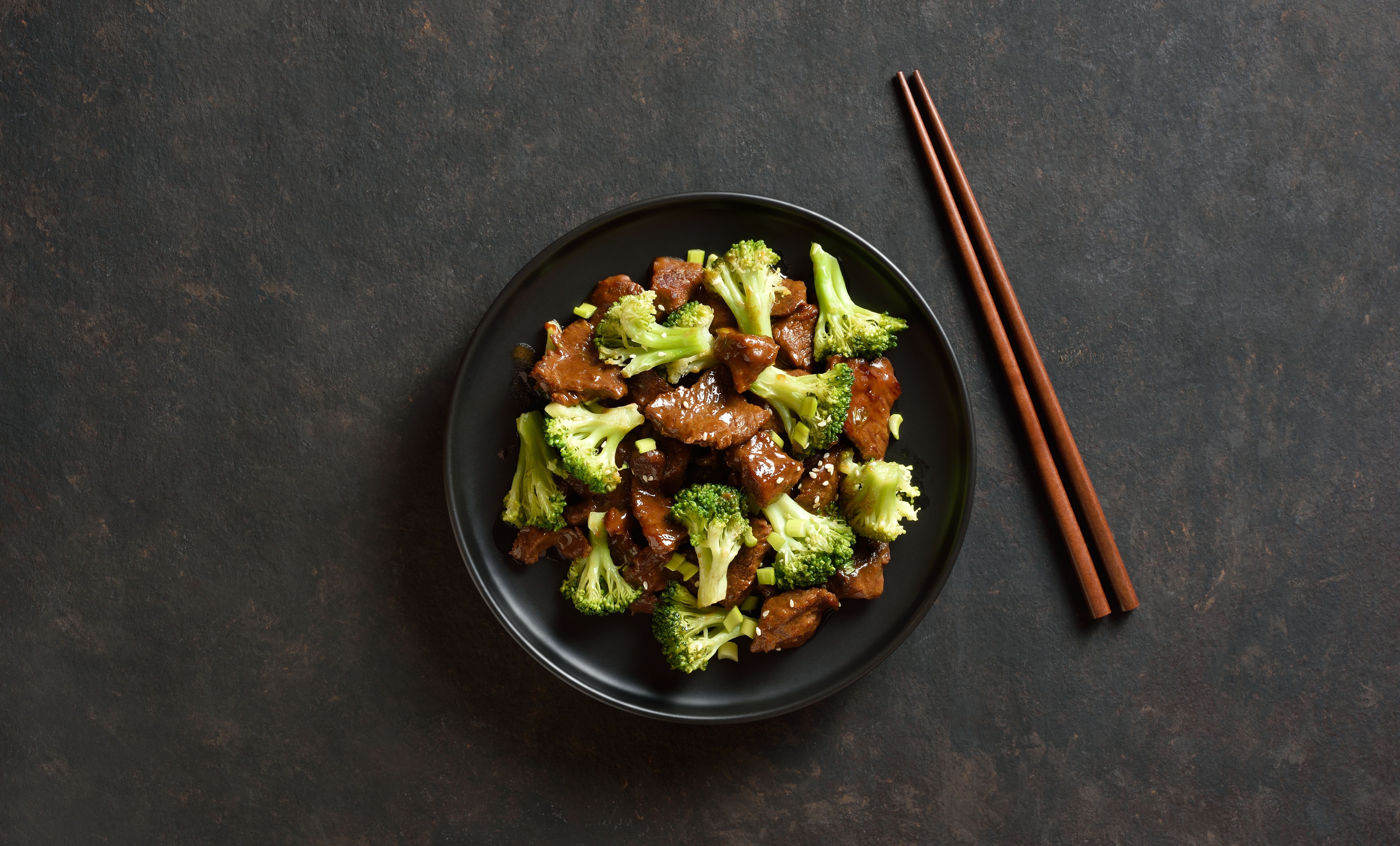
In TCM, how food is prepared is as important as the food itself. Techniques such as steaming, boiling, and stir-frying are preferred as they are believed to preserve the food's energy and enhance its healing properties. Raw and overly processed foods are generally discouraged as they can disrupt the body's balance.
By using mindful cooking methods, individuals can maximize the nutritional benefits of their meals and support their health goals in alignment with TCM principles.
Conclusion: Integrating TCM Nutrition into Modern Life
Integrating the principles of TCM nutrition into modern life can be a valuable approach to achieving balance and promoting health. By understanding the energetic properties of foods, the importance of Yin and Yang, and the influence of the Five Elements, individuals can make informed dietary choices that support their unique needs.
Embracing TCM nutrition doesn't mean abandoning modern dietary practices but rather complementing them with ancient wisdom. This holistic approach offers a path to wellness that considers the body's physical, emotional, and spiritual needs.