
How Acupuncture Works: Explanation and Benefits


Understanding Acupuncture
Acupuncture is a traditional Chinese medicine practice that has been used for thousands of years. It involves inserting thin needles into specific points on the body to balance the flow of energy, known as Qi (pronounced "chee"). This practice is based on the belief that Qi flows through pathways in the body, and disruptions in this flow can lead to illness or discomfort.
The Science Behind Acupuncture
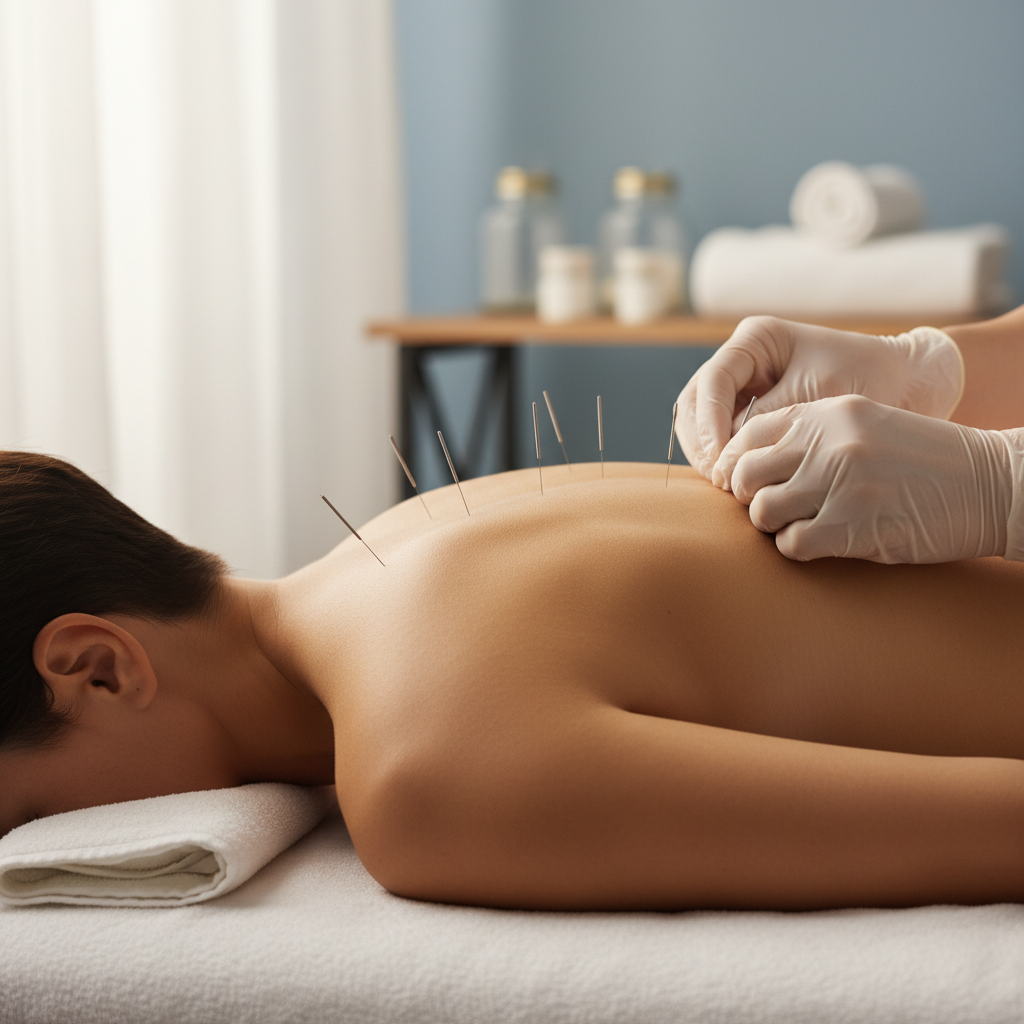
While the concept of Qi is central to traditional acupuncture, modern science often explains the practice through the lens of neurobiology. The insertion of needles is thought to stimulate nerves, muscles, and connective tissues, which can boost the body's natural painkillers and increase blood flow. This physiological response is believed to contribute to the therapeutic effects of acupuncture.
Key Mechanisms
- Endorphin Release: Acupuncture can trigger the release of endorphins, the body's natural pain-relieving chemicals.
- Nervous System Regulation: It may help regulate the nervous system, reducing stress and promoting relaxation.
- Blood Circulation: Improved circulation can enhance healing and reduce inflammation.
Benefits of Acupuncture
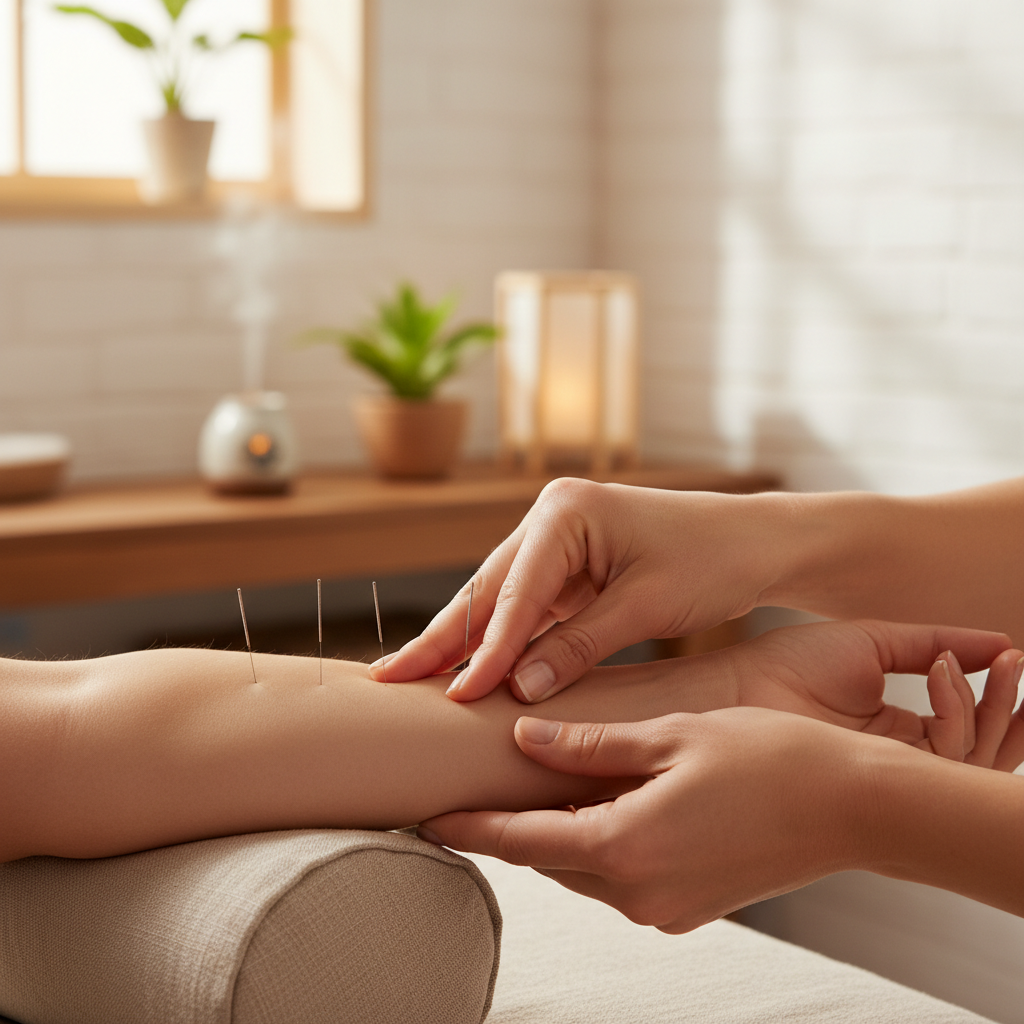
Acupuncture is known for its wide range of benefits, making it a popular choice for various health issues. Here are some of the primary benefits:
Pain Management
Acupuncture is often used to alleviate chronic pain, including headaches, back pain, and arthritis. By targeting specific points, it can reduce symptoms and improve quality of life.

Stress Reduction
In today's fast-paced world, stress is a common concern. Acupuncture sessions can promote relaxation and reduce stress levels, offering a natural remedy for anxiety and tension.
Improved Sleep
Many people find that acupuncture helps improve their sleep patterns. By balancing the body's energy, it can address issues such as insomnia and restless nights.
What to Expect During a Session
During an acupuncture session, a trained practitioner will insert needles into specific points on your body. The process is generally painless, with many people finding it relaxing. Sessions typically last between 20 to 40 minutes, and multiple visits may be recommended for optimal results.
Choosing a Practitioner
When considering acupuncture, it's essential to choose a qualified practitioner. Look for someone who is certified and has experience in the field. A good practitioner will ensure your comfort and tailor the treatment to your specific needs.
Conclusion
Acupuncture offers a holistic approach to health and wellness, addressing both physical and emotional concerns. Whether you're seeking relief from pain, stress, or sleep issues, acupuncture may provide a natural and effective solution. As with any treatment, it's important to consult with healthcare professionals to determine if it's the right option for you.