
How Acupuncture Works: A Beginner’s Guide to This Ancient Practice


Understanding Acupuncture
Acupuncture is an ancient healing practice that originated in China over 2,000 years ago. It involves the insertion of thin needles into specific points on the body to promote healing and alleviate various ailments. This practice is based on the concept of balancing the body's energy, known as Qi (pronounced "chee"), and is widely used today for its therapeutic benefits.
The philosophy behind acupuncture is rooted in Traditional Chinese Medicine (TCM), which views health as a balance between the body's complementary forces: Yin and Yang. When these forces are out of balance, Qi is disrupted, leading to illness and discomfort.

How Does Acupuncture Work?
Acupuncture works by stimulating specific points on the body, known as acupoints, to restore the flow of Qi. This stimulation is believed to activate the body's natural healing processes, helping to relieve pain and improve overall well-being.
Modern science has sought to understand how acupuncture affects the body. It is thought that the insertion of needles may stimulate nerves, muscles, and connective tissue, increasing blood flow and triggering the release of natural painkillers and anti-inflammatory agents.

The Acupuncture Session
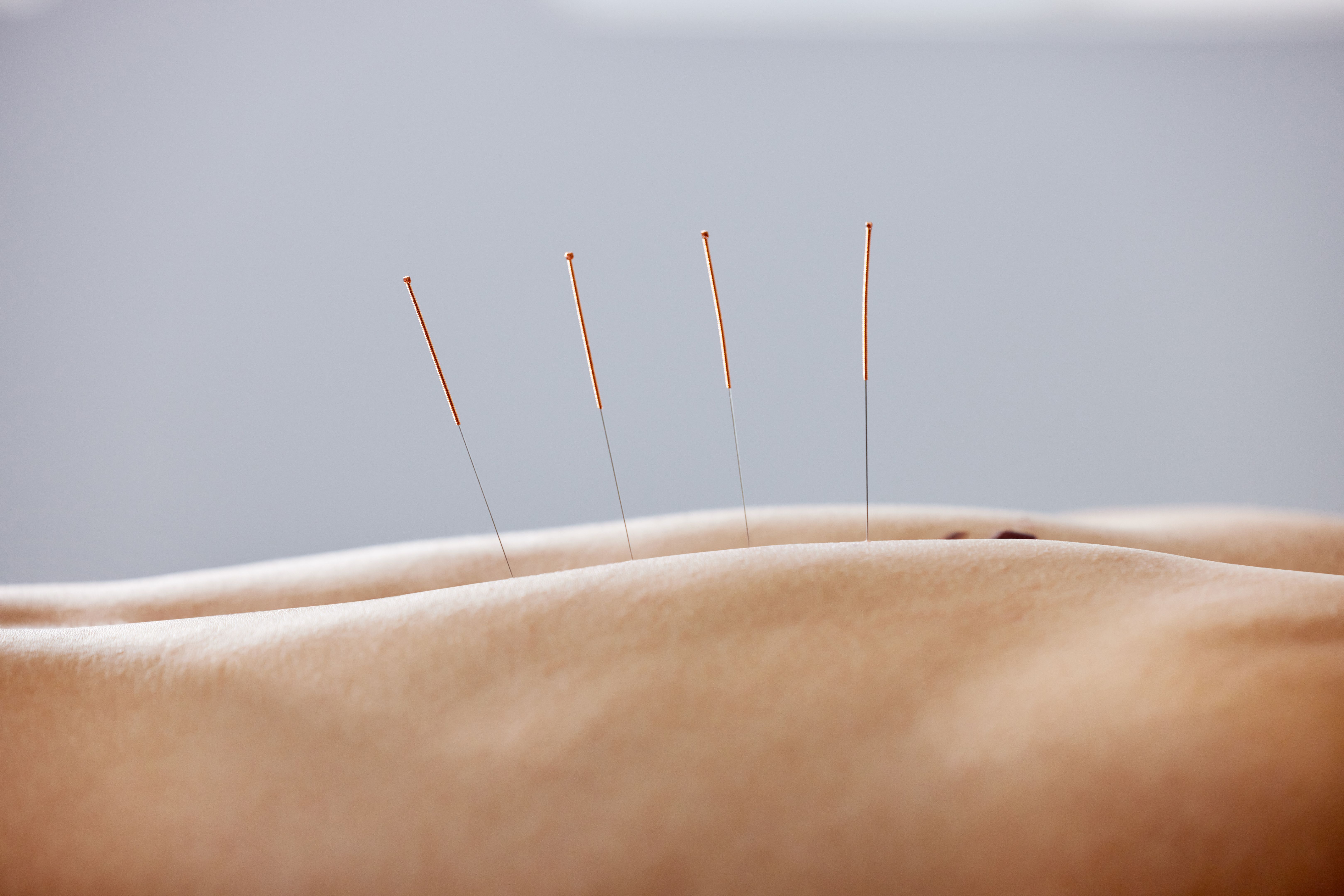
An acupuncture session typically begins with a consultation, where the practitioner assesses your health condition and determines the appropriate treatment plan. The needles used in acupuncture are extremely thin, and most people experience little to no discomfort during insertion.
Once the needles are in place, they may be left in for 10 to 30 minutes while you relax. Some practitioners may also use other techniques, such as moxibustion (burning herbs near the skin) or cupping (using suction cups on the skin) to enhance the treatment.
Benefits of Acupuncture
Acupuncture is used to treat a wide range of conditions, from chronic pain and migraines to anxiety and digestive disorders. Here are some of the potential benefits:
- Pain Relief: Effective for back pain, arthritis, and headaches.
- Stress Reduction: Promotes relaxation and reduces anxiety.
- Improved Sleep: Helps with insomnia and sleep disturbances.
- Enhanced Well-being: Supports overall health and vitality.
Is Acupuncture Right for You?
While acupuncture is generally considered safe, it is important to consult with a qualified practitioner to determine if it is suitable for your specific health needs. Individuals with certain conditions, such as bleeding disorders or those taking blood thinners, should exercise caution.
If you're considering acupuncture, look for a licensed acupuncturist with proper training and certification. A skilled practitioner will ensure a safe and effective treatment tailored to your needs.

In conclusion, acupuncture offers a unique and holistic approach to health and wellness. Whether you're seeking relief from chronic pain or simply looking to enhance your overall well-being, acupuncture may provide the benefits you seek. Embrace this ancient practice and explore how it can support your journey to better health.