
Exploring the Connection Between TCM and Modern Medicine


Introduction to Traditional Chinese Medicine (TCM)
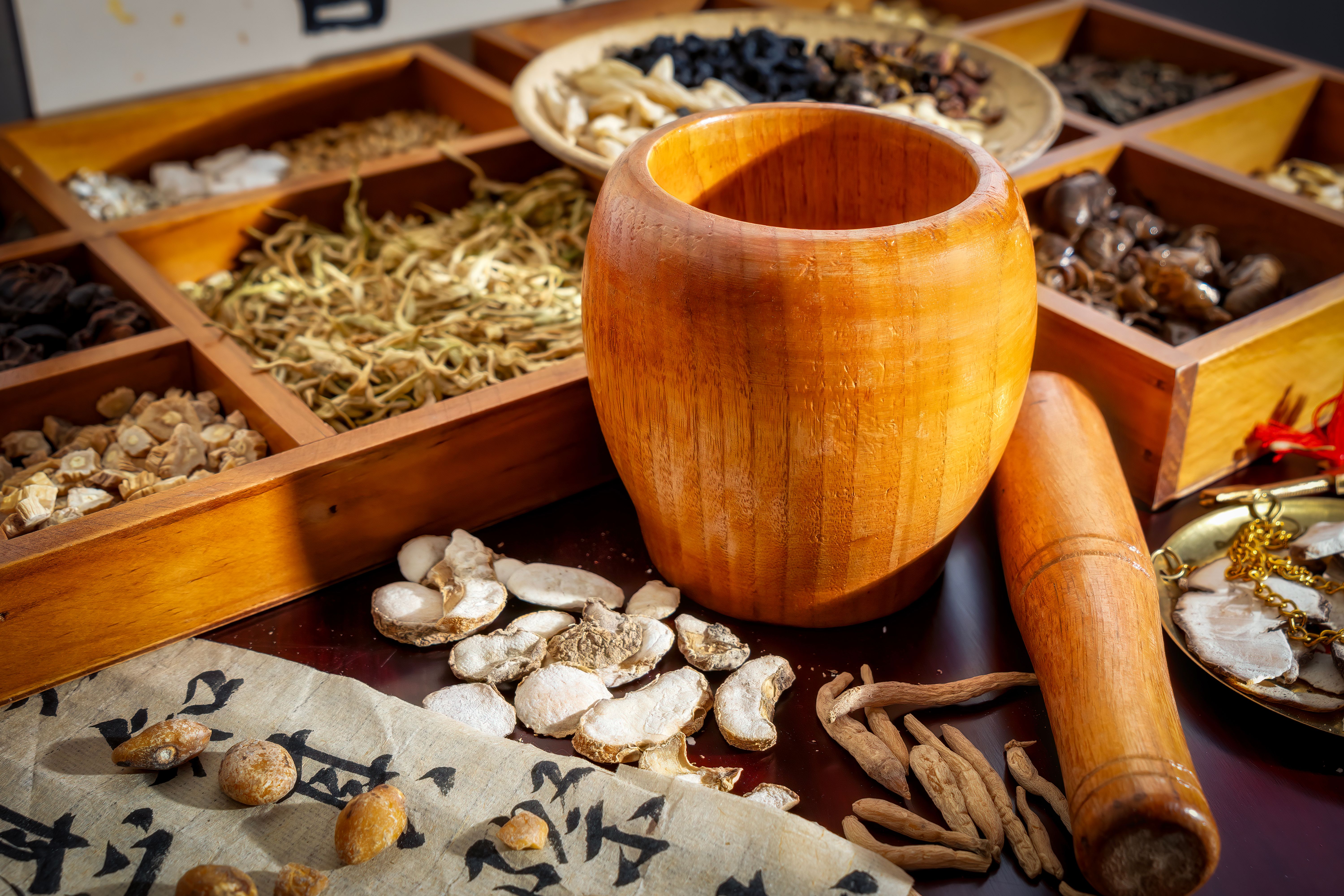
Traditional Chinese Medicine (TCM) has been practiced for thousands of years, originating in ancient China and evolving over time. It encompasses various practices such as herbal medicine, acupuncture, massage (tui na), exercise (qigong), and dietary therapy. TCM is deeply rooted in the philosophy of balancing the body's energy, known as qi, and maintaining harmony between the body's opposing forces, yin and yang.
In recent years, there has been a growing interest in exploring the connection between TCM and modern medicine. This exploration aims to integrate the strengths of both systems to provide more comprehensive healthcare solutions.
Understanding the Principles of TCM
The fundamental principles of TCM are based on the concept of holistic health. It views the human body as an interconnected whole, where physical, emotional, and spiritual aspects are intertwined. TCM practitioners focus on identifying patterns of disharmony and restoring balance through natural methods.
Unlike modern medicine, which often targets specific symptoms or conditions, TCM emphasizes treating the root cause of an illness. This approach can complement modern medical techniques, offering a broader perspective on health and wellness.
Integrating TCM with Modern Medicine
The integration of TCM and modern medicine is gaining traction as researchers and practitioners recognize the potential benefits of combining these approaches. Here are some ways in which TCM is being integrated with modern medical practices:
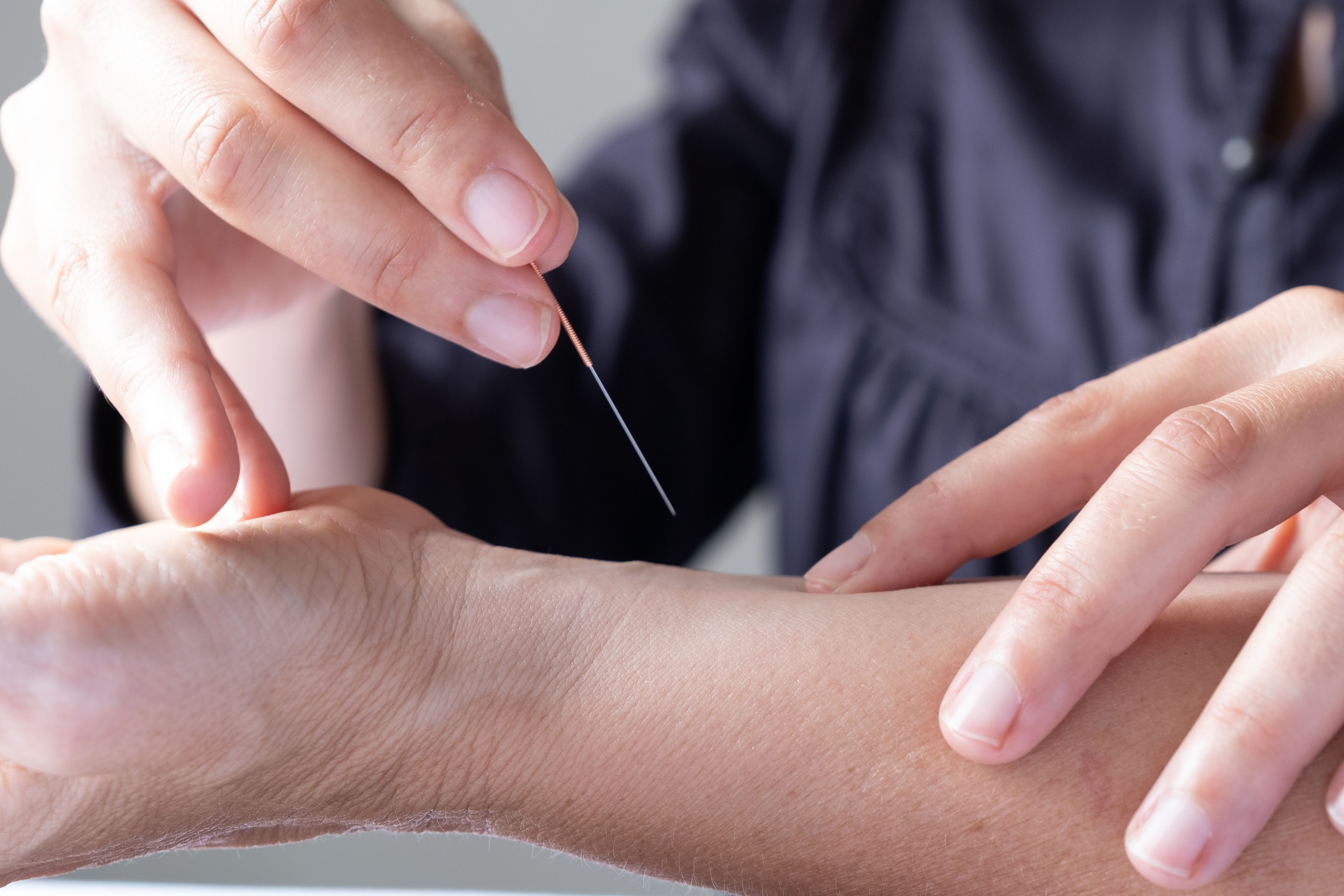
- Complementary Therapies: TCM techniques such as acupuncture and herbal medicine are used alongside conventional treatments to enhance their effectiveness and reduce side effects.
- Chronic Disease Management: TCM offers alternative strategies for managing chronic conditions, providing patients with options beyond standard medical treatments.
- Preventive Care: Emphasizing prevention and lifestyle changes, TCM can help individuals maintain health and prevent illnesses before they arise.
Scientific Research and Evidence
Scientific research has begun to validate some aspects of TCM, particularly in the areas of pain management and stress reduction. Studies have shown that acupuncture can effectively alleviate chronic pain and improve overall well-being, while herbal remedies have been found to support immune function and reduce inflammation.
While more research is needed to fully understand the mechanisms behind TCM practices, the growing body of evidence supports their integration with modern medical treatments.

Challenges and Considerations
Despite the potential benefits, integrating TCM with modern medicine presents certain challenges. One major issue is the lack of standardization in TCM practices, which can lead to variations in treatment quality. Additionally, differences in diagnostic methods and treatment philosophies may create barriers to seamless integration.
Healthcare providers must work collaboratively to overcome these challenges, ensuring that patients receive safe, effective, and evidence-based care.
The Future of Integrative Medicine
As the healthcare landscape continues to evolve, the collaboration between TCM and modern medicine is likely to expand. The future of integrative medicine lies in fostering open communication and mutual respect between practitioners of both systems.
By combining the ancient wisdom of TCM with the technological advancements of modern medicine, healthcare providers can offer more personalized and comprehensive care, ultimately improving patient outcomes and quality of life.

Conclusion
Exploring the connection between TCM and modern medicine offers promising opportunities for enhancing healthcare delivery. By embracing the strengths of both systems, we can create a more holistic approach to health that addresses the needs of the whole person. As research continues to bridge the gap between these two worlds, the potential for integrative medicine to transform healthcare becomes increasingly apparent.