
Debunking Myths About Traditional Chinese Medicine: What Hannover Residents Need to Know


Traditional Chinese Medicine (TCM) has been practiced for thousands of years, yet it remains surrounded by myths and misconceptions, especially among those unfamiliar with its principles. Hannover residents interested in exploring this ancient practice might find themselves navigating a sea of misinformation. Let’s debunk some common myths about TCM to help you make informed decisions.
Myth 1: TCM is Based on Superstition
One of the most widespread misconceptions is that TCM is rooted in superstition rather than science. In reality, TCM is based on a deep understanding of the human body, developed through centuries of observation and practice. Techniques such as acupuncture and herbal medicine are grounded in the principle of balancing the body's energy, or Qi, to promote health and well-being.
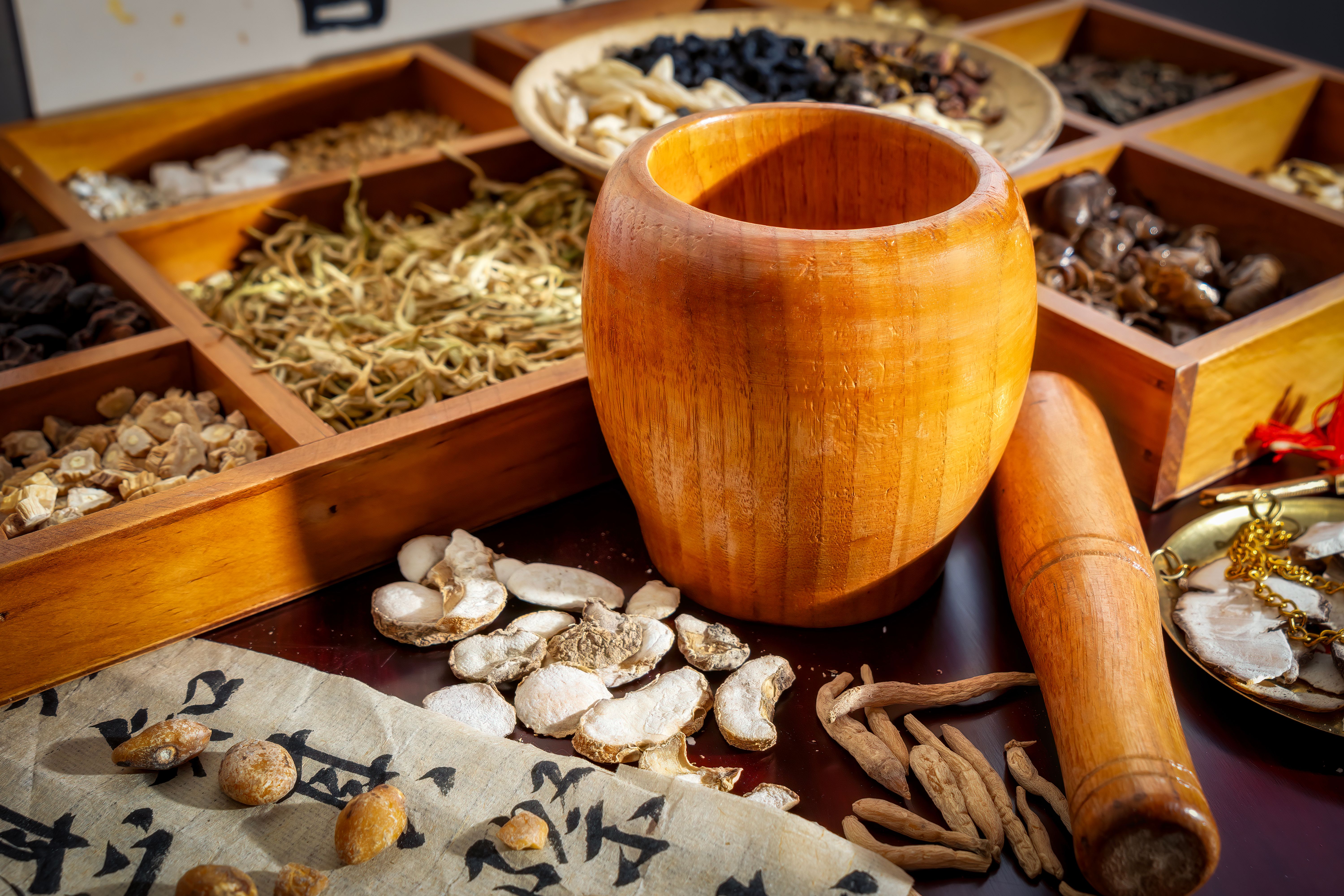
While some TCM concepts might seem foreign to Western perspectives, scientific research continues to explore and validate many TCM practices. This integration of traditional wisdom and modern science makes TCM a valuable complement to conventional medicine.
Myth 2: TCM is Ineffective Compared to Western Medicine
Another common belief is that TCM is less effective than Western medicine. However, both systems have their strengths and can be used complementarily. TCM focuses on holistic health, emphasizing prevention and treating the root causes of illness rather than just symptoms. Many people find TCM treatments effective for chronic conditions, stress management, and overall wellness.

In Hannover, many practitioners offer integrative approaches that combine TCM with Western medical practices, providing patients with a comprehensive treatment plan that addresses both immediate health concerns and long-term wellness goals.
Myth 3: TCM is Unsafe
Safety concerns often arise due to a lack of understanding about TCM practices. When performed by a qualified practitioner, TCM is generally safe and carries minimal risk. Acupuncture, for example, uses sterile, single-use needles to ensure patient safety. Herbal remedies are prescribed based on individual needs, with careful consideration of potential interactions with other medications.
It’s crucial to consult with certified TCM practitioners who adhere to professional standards and regulations. In Hannover, many practitioners are well-trained and offer safe, effective treatments tailored to individual needs.

Myth 4: TCM is Only About Acupuncture and Herbs
While acupuncture and herbal medicine are well-known aspects of TCM, the practice includes a wide range of therapies. These include dietary therapy, tai chi, qi gong, and tui na (a form of therapeutic massage). Each modality serves a unique purpose, contributing to the overall aim of restoring balance and promoting health.
For residents of Hannover looking to explore TCM, understanding the diversity of treatments available can open up new pathways to achieving optimal health. Whether seeking stress relief, pain management, or improved energy levels, TCM offers a holistic approach that considers the mind, body, and spirit.
Embracing TCM in Hannover
As more people in Hannover turn to TCM for its holistic benefits, it’s important to separate myth from reality. By understanding the true nature of TCM, residents can make informed choices about their health and wellness. Whether you’re considering trying acupuncture, exploring herbal remedies, or engaging in tai chi, TCM offers valuable tools for enhancing your quality of life.
Remember, the key to benefiting from TCM is to approach it with an open mind and to seek guidance from experienced practitioners who can tailor treatments to your specific needs. With the right information and support, you can successfully integrate TCM into your health regimen, reaping the rewards of this time-honored practice.