
Debunking Myths: What You Need to Know About Chinese Medicine


Understanding the Basics of Chinese Medicine
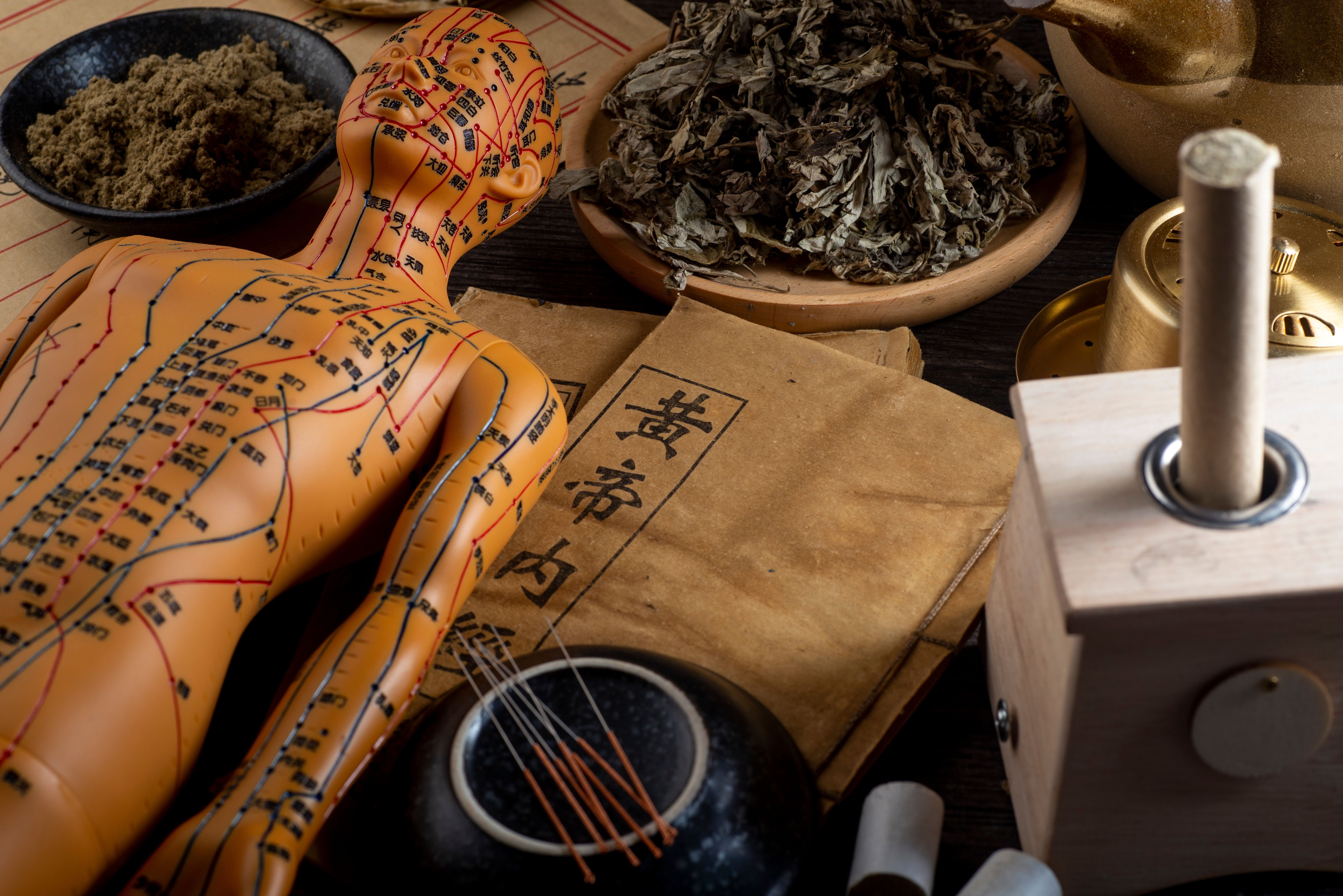
Chinese medicine, with its rich history and holistic approach, often faces various misconceptions. It is essential to understand that Chinese medicine is not just about herbs and acupuncture; it encompasses a broad spectrum of practices, including tai chi, cupping, and dietary therapy. These practices aim to balance the body's energy, or Qi, to promote health and wellness.
One common myth is that Chinese medicine is unscientific. However, many of its practices are increasingly being validated by modern scientific research. For example, acupuncture has been shown to relieve pain and improve certain health conditions effectively.
Myth: Chinese Medicine Is Slow-Acting
A prevalent misconception is that Chinese medicine takes a long time to show results. While it's true that some treatments may require time for gradual improvement, many people experience quick relief, especially for acute conditions. The focus is on treating the root cause, which can lead to more sustainable health benefits.
It's important to distinguish between acute and chronic conditions. For chronic issues, a longer treatment period may be necessary, but this is also true for many conventional treatments.

Myth: Only Herbs and Needles
Another myth is that Chinese medicine is limited to herbal remedies and acupuncture. In reality, it includes a diverse range of therapies.
- Dietary Therapy: Food is considered medicine, and dietary adjustments are often recommended.
- Cupping: This involves placing cups on the skin to create suction, helping with pain and inflammation.
- Tai Chi: A form of exercise that promotes balance and relaxation.
These varied approaches illustrate the adaptability and comprehensive nature of Chinese medicine, offering personalized treatment plans tailored to individual needs.

The Role of Diagnosis in Chinese Medicine
In Chinese medicine, diagnosis is a crucial component. Practitioners often use techniques such as pulse reading, tongue examination, and observation of symptoms to determine the underlying imbalances. This thorough diagnosis helps in crafting a personalized treatment plan, ensuring that the therapy addresses the individual's unique health profile.
Understanding this diagnostic process can help demystify Chinese medicine and highlight its personalized approach to health and wellness.
Myth: Chinese Medicine and Conventional Medicine Cannot Coexist
Many people believe that Chinese medicine and conventional medicine are incompatible. However, they can often complement each other effectively. Integrative medicine, which combines both approaches, is becoming increasingly popular, offering patients a more holistic path to health.
This synergy allows for a more comprehensive treatment strategy, addressing both symptoms and underlying causes, and maximizing the benefits of each modality.

Conclusion: Embracing a Holistic View of Health
Debunking the myths surrounding Chinese medicine can open the door to a more comprehensive understanding of health and wellness. By appreciating its holistic philosophy and diverse treatments, individuals can make informed decisions about incorporating these practices into their health regimen.
Whether you're new to Chinese medicine or looking to deepen your understanding, recognizing its validity and potential benefits can empower you to explore new avenues for achieving optimal health.