
Debunking Common Myths About Acupuncture and TCM


Understanding Acupuncture and TCM
Acupuncture and Traditional Chinese Medicine (TCM) have been practiced for thousands of years, yet they often face skepticism in the modern world. Many myths surround these ancient practices, leading to misunderstandings and misconceptions. In this blog post, we'll explore and debunk some of the most common myths about acupuncture and TCM.

Myth 1: Acupuncture Is Painful
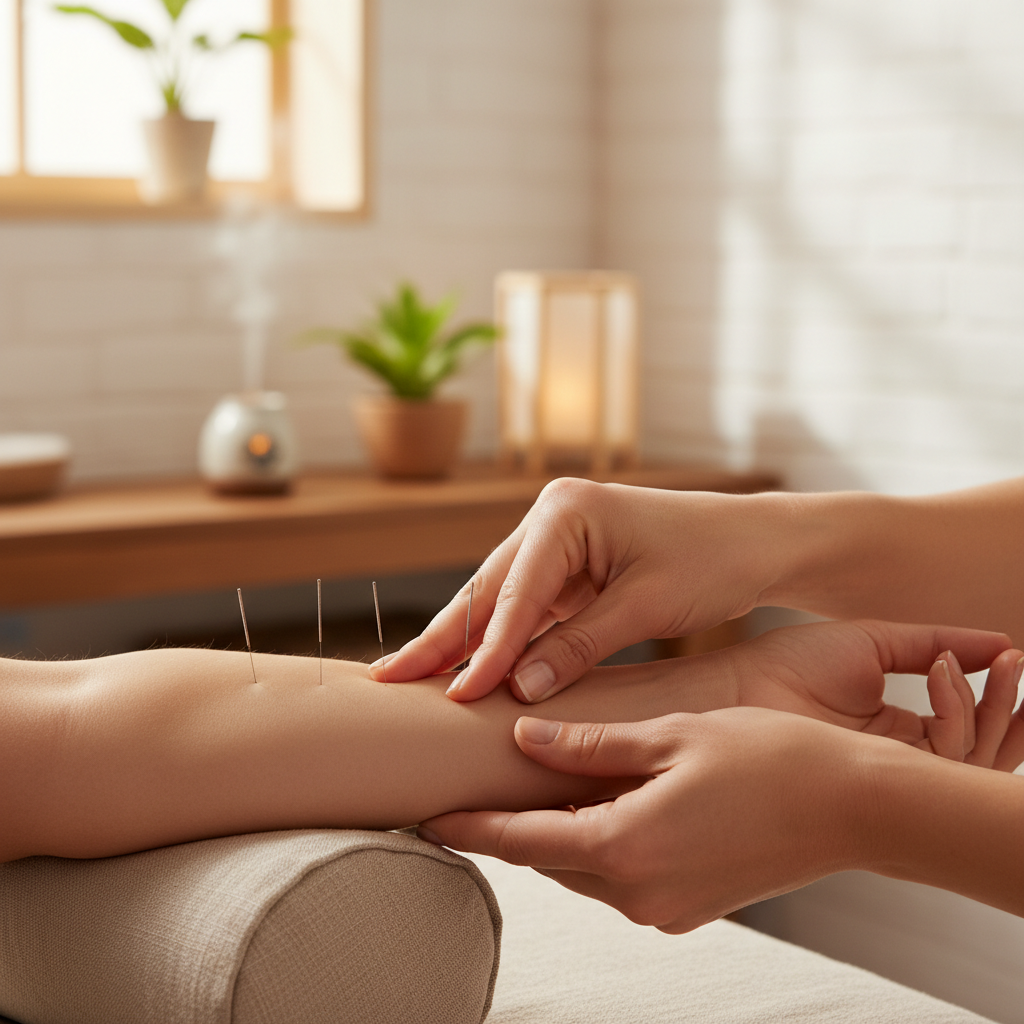
One of the most pervasive myths is that acupuncture is a painful procedure. The truth is, acupuncture involves the insertion of very thin needles, often no thicker than a strand of hair. Most people report feeling little to no pain, and some even find the experience relaxing. The sensation can vary, but it's generally described as a mild tingling or a dull ache.
Myth 2: TCM Is Not Scientifically Supported
Another common myth is that TCM lacks scientific support. While it's true that TCM is based on different principles than Western medicine, numerous studies have demonstrated its effectiveness for various conditions. Research supports the use of acupuncture for pain relief, anxiety, and even fertility enhancement.
Acupuncture and TCM in Modern Medicine
Some people believe that acupuncture and TCM have no place in modern medicine. However, these practices are increasingly integrated into healthcare systems worldwide. Many hospitals and clinics now offer acupuncture as a complementary therapy, recognizing its potential benefits in conjunction with conventional treatments.
Myth 3: Acupuncture Only Treats Pain
Acupuncture is often associated solely with pain relief, but it can address a wide range of health issues. From digestive problems to mental health conditions, acupuncture offers a holistic approach to wellness. It's used to treat insomnia, stress, headaches, and more.

Myth 4: TCM Is Just About Herbs
While herbal remedies are a part of TCM, the practice encompasses much more. TCM includes acupuncture, dietary therapy, tai chi, qi gong, and other techniques. This holistic approach aims to balance the body's energy, known as "qi," and promote overall health.
The Reality of Acupuncture and TCM
As we debunk these myths, it's clear that acupuncture and TCM offer valuable insights and treatments. They provide a unique perspective on health and wellness that complements modern medical practices. By understanding the truth behind these ancient techniques, we can appreciate their role in our health journey.
Whether you're considering trying acupuncture for the first time or exploring TCM, it's essential to approach with an open mind. As more research unfolds, the integration of these practices continues to grow, offering promising possibilities for holistic health care.