
Acupuncture vs. Western Medicine: A Comparative Guide


Introduction to Acupuncture and Western Medicine
In the realm of healthcare, two prominent approaches often come to the forefront: Acupuncture and Western Medicine. Both have their unique methodologies, benefits, and challenges. Understanding these can help in making informed decisions about personal health care needs.

Core Principles of Acupuncture
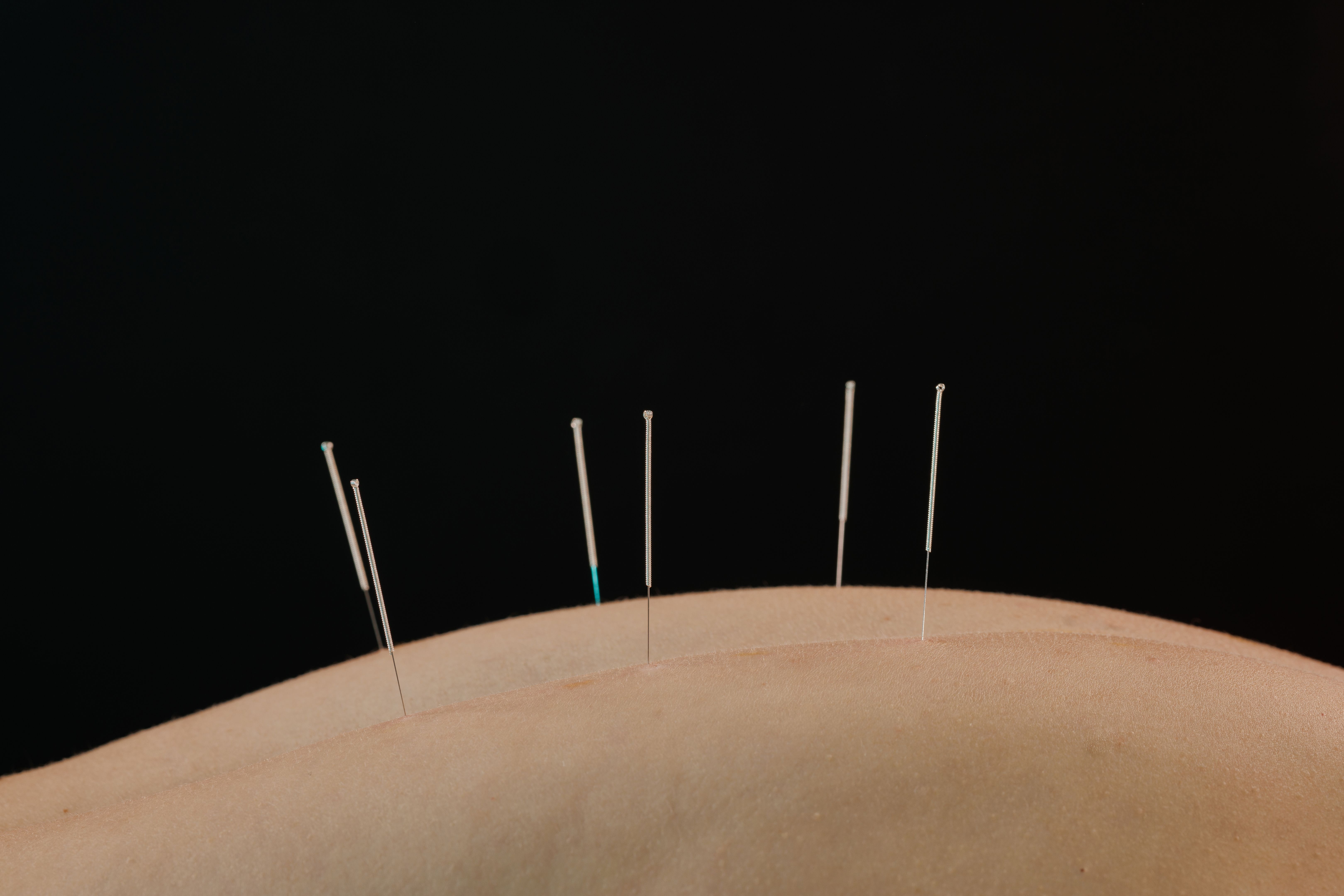
Acupuncture is a practice rooted in Traditional Chinese Medicine (TCM) that aims to balance the body's energy, known as Qi. It involves inserting thin needles into specific points on the body to alleviate pain and treat various health conditions. This ancient practice emphasizes holistic healing and seeks to treat the body, mind, and spirit.
Benefits of Acupuncture
Research has shown that acupuncture can be effective for a range of conditions such as chronic pain, migraines, and stress. Many patients report experiencing relief after sessions with minimal side effects compared to pharmaceutical treatments. Moreover, acupuncture is often used as a complementary therapy alongside other treatments.

Understanding Western Medicine
Western Medicine, or conventional medicine, is based on scientific research and evidence. It focuses on diagnosing and treating specific diseases and symptoms using pharmaceuticals, surgery, and other medical technologies. This approach is known for its effectiveness in acute care and life-saving interventions.
Advantages of Western Medicine
Western Medicine's strength lies in its ability to provide quick relief from symptoms and manage severe health conditions effectively. It has a structured approach to diagnosing diseases through tests and scans, allowing for targeted treatments. Additionally, advances in medical research continuously improve patient outcomes.

Comparing Acupuncture and Western Medicine
While both acupuncture and Western Medicine have their merits, they differ significantly in approach. Acupuncture emphasizes prevention and holistic healing, while Western Medicine focuses on symptom management and disease treatment. Each has its place in modern healthcare, and often, a combination of both can offer a balanced approach to wellness.
Choosing the Right Approach
Selecting between acupuncture and Western Medicine depends on various factors such as the nature of the condition, patient preferences, and overall health goals. For chronic conditions or preventative care, acupuncture might be beneficial. In contrast, acute or life-threatening conditions often require the immediate intervention of Western Medicine.
Integrative Medicine: The Best of Both Worlds
An emerging trend in healthcare is Integrative Medicine, which combines practices from both acupuncture and Western Medicine. This approach seeks to treat the whole person by addressing physical, emotional, mental, social, and spiritual factors affecting health. Integrative medicine practitioners work collaboratively with patients to create personalized treatment plans.
Conclusion: Making Informed Decisions
When deciding between acupuncture and Western Medicine, it is essential to consider the specific health needs, treatment goals, and personal beliefs about healthcare. Consulting with healthcare providers familiar with both approaches can provide valuable insights and help tailor a treatment plan that maximizes benefits while minimizing risks.