
A Beginner’s Guide to Acupuncture and TCM: What You Need to Know


Understanding Acupuncture and TCM
Acupuncture and Traditional Chinese Medicine (TCM) have been practiced for thousands of years, offering a holistic approach to health and wellness. These ancient practices focus on balancing the body's energy, or "qi," to promote healing and well-being. If you're new to acupuncture and TCM, this guide will help you understand the basics and what to expect.
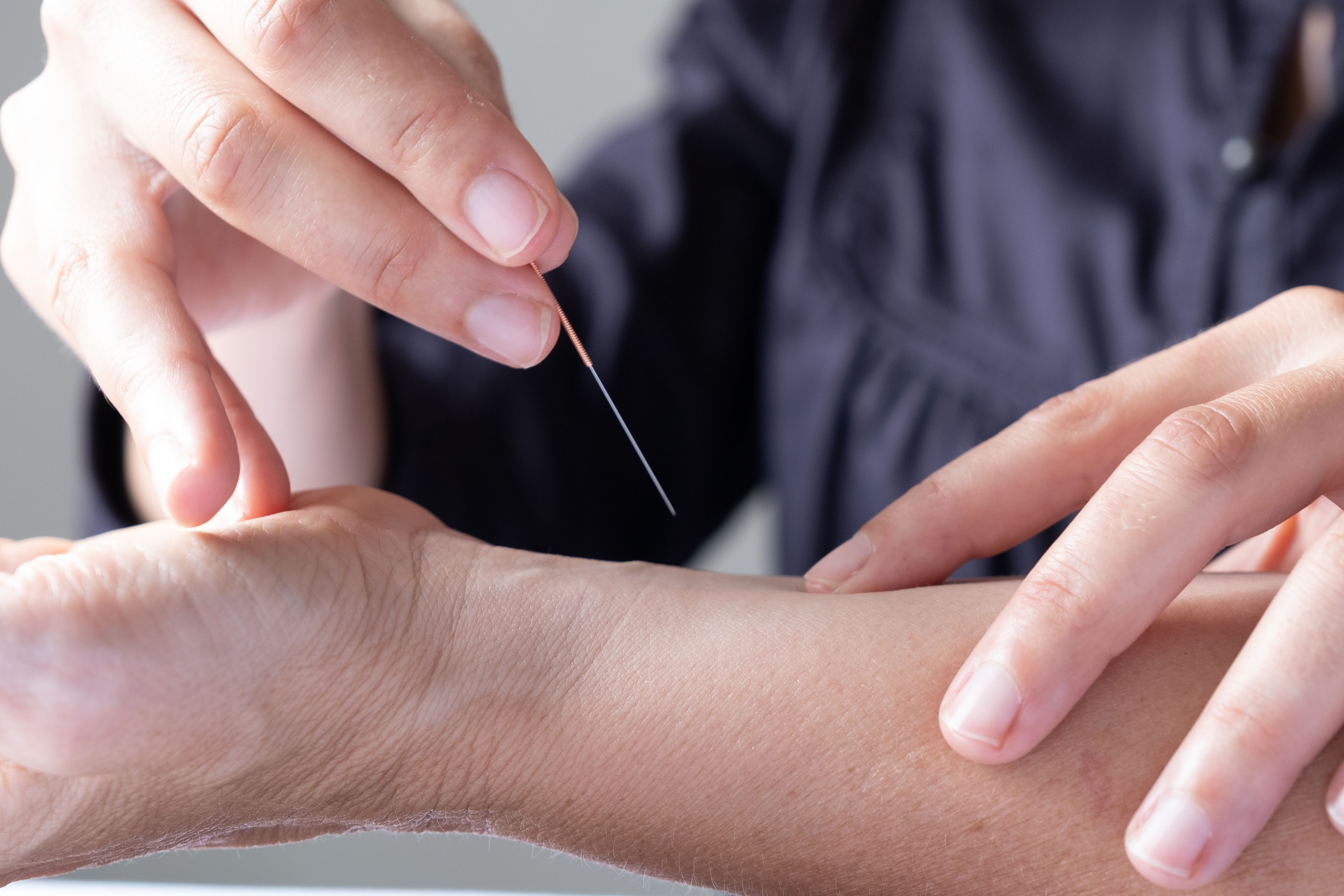
What is Acupuncture?
Acupuncture involves the insertion of fine needles into specific points on the body. These points are believed to be connected by pathways called meridians, which help regulate the flow of qi. By stimulating these points, acupuncture aims to restore balance and alleviate various health issues, such as pain, stress, and digestive problems.
The Principles of TCM
Traditional Chinese Medicine is a comprehensive system that includes acupuncture, herbal medicine, dietary therapy, and exercises like tai chi and qigong. TCM is based on the principles of yin and yang, the five elements, and the balance of qi. These elements work together to maintain harmony within the body and with the external environment.

Benefits of Acupuncture and TCM
Acupuncture and TCM offer a range of benefits. They can help manage chronic pain, reduce stress, improve sleep, and enhance overall well-being. Many people also turn to these practices alongside conventional treatments to support recovery and maintain health.
- Relieves chronic pain, such as back and neck pain
- Reduces stress and anxiety
- Improves sleep quality
- Supports immune function
What to Expect During an Acupuncture Session
During your first acupuncture session, the practitioner will take a detailed health history and assess your current condition. The acupuncture process involves inserting needles into specific points, which are typically left in place for 15 to 30 minutes. Most people find the experience relaxing, with minimal discomfort.

Finding a Qualified Practitioner
When seeking acupuncture or TCM treatments, it's important to find a qualified practitioner. Look for licensed acupuncturists with proper credentials and experience. You can ask for recommendations from friends, family, or healthcare providers, and read online reviews to find a reputable practitioner.
- Verify the practitioner's credentials and licensing
- Check for experience in treating your specific conditions
- Consider the practitioner's communication and approach
Integrating TCM into Your Lifestyle
Incorporating TCM into your lifestyle can be beneficial even if you’re not undergoing acupuncture. Simple practices like mindful eating, regular exercise, and stress management techniques can align with TCM principles to promote a balanced and healthy life.
Acupuncture and TCM offer a unique and holistic approach to health. By understanding and embracing these practices, you can explore new pathways to wellness and vitality.